Ultherapy vs Shurink
Understanding Ultherapy vs Shurink:
Choosing the Right Ultrasound Lifting
Korea has earned its reputation as the global capital of aesthetic dermatology, drawing medical travelers from across the world. When planning a non-invasive skin lifting procedure in Seoul, choosing between international gold-standard technology and popular domestic devices is a common dilemma for international patients. If you are researching which ultrasound treatment matches your anti-aging goals, comparing Ultherapy vs Shurink clarifies how distinct mechanisms and price points deliver different results. Let’s break down how these two treatments compare and how to choose the right one for your skin.
1. Core Technology and Visualization
- Ultherapy (Micro-Focused Ultrasound with Imaging): Ultherapy features patented real-time ultrasound imaging (DeepSEE technology), allowing practitioners to see beneath the skin's surface and target the deep SMAS layer with absolute precision.
- Shurink (Korean-Developed HIFU): Shurink (including advanced versions like Shurink Universe) uses High-Intensity Focused Ultrasound without real-time screen visualization, relying instead on preset depths and practitioner technique.
- Precision Distinction: The primary technical difference is visualization; Ultherapy customizes depth and energy placement per individual anatomy, whereas Shurink delivers rapid, preset energy lines across larger surface areas.
2. Lifting Power and Effectiveness
- Ultherapy for Deep Structural Lift: Because of its higher baseline energy output and dot-based thermal coagulation points, Ultherapy provides a powerful structural lift that effectively corrects moderate to advanced sagging along the jawline, cheeks, and neck.
- Shurink for Subtle Tightening: Shurink delivers a gentler, more gradual tightening effect that is highly effective for mild skin laxity, early-stage aging, and general V-line contouring.
- Clinical Impact: Ultherapy creates a more pronounced, long-term structural transformation, while Shurink functions best as a softer, routine tightening solution.
3. Comfort Levels and Treatment Experience
- Ultherapy Sensation: Due to the deeper delivery of high-intensity micro-focused energy, Ultherapy is known for a more intense, sharp prickling sensation, making strong topical numbing essential.
- Shurink Comfort: Shurink (especially newer models featuring linear modes) offers a faster, more comfortable treatment experience with significantly less heat discomfort during the procedure.
- Downtime Profile: Both treatments involve zero surgical incisions or major downtime, allowing patients to resume normal daily activities immediately.
4. Cost and Maintenance Frequency
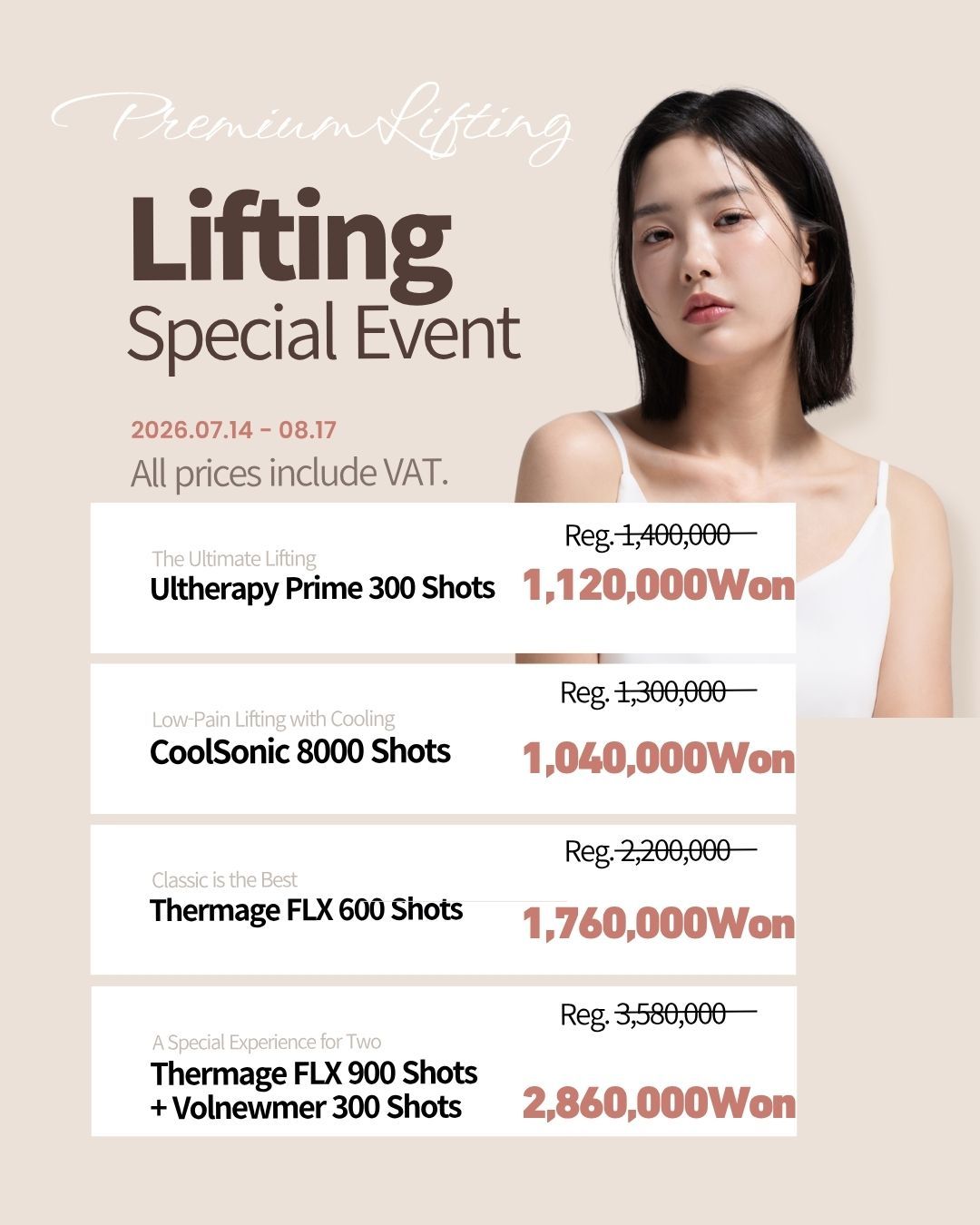
- Price Variance: Ultherapy is a premium, globally patented medical device with significantly higher per-session costs, whereas Shurink is a locally developed Korean device known for being exceptionally budget-friendly (often five to ten times more affordable).
- Treatment Longevity: Ultherapy results typically last 12 to 18 months, meaning it is usually performed just once a year.
- Maintenance Schedule: Shurink results generally last 4 to 6 months, making it popular for frequent, routine upkeep or maintenance cycles between major treatments.
5. How to Choose Which Treatment Is Right for You
- Choose Ultherapy If: You have moderate to advanced skin sagging, want maximum lifting power with long-lasting results, and prefer a single annual session backed by real-time imaging precision.
- Choose Shurink If: You are addressing early-stage aging or mild laxity, working within a specific budget, or looking for a comfortable, easily repeatable maintenance option.
- The Combination Approach: Many professional clinics in Korea utilize a hybrid strategy—using Ultherapy once a year for deep structural lifting, paired with periodic Shurink sessions as a booster to maintain firmness cost-effectively.
Final Thoughts
Deciding between Ultherapy and Shurink involves balancing your specific skin laxity, budget, and desired longevity. Understanding that Ultherapy offers deep, long-lasting structural correction while Shurink provides accessible, routine maintenance helps you tailor your medical travel itinerary. If you are ready to plan your trip, scheduling a professional consultation at an accredited facility in Seoul is the best way to determine the ideal device for your facial structure.