Shurink vs Ultherapy
Understanding Shurink vs Ultherapy:
Comparing Korea's Premier Lifting Technologies
Seoul attracts international travelers seeking world-class, non-surgical skin lifting solutions. When navigating local clinic menus, high-intensity and micro-focused ultrasound devices represent the gold standard for tightening lax tissue without incisions. If you are trying to decide between domestic innovation and global premium technology, Shurink vs Ultherapy highlights the core differences in power, precision, and investment. Let’s break down how these two heavyweights compare.
1. Technology and Delivery Mechanics
- Ultherapy (Micro-Focused Ultrasound with Visualization): Utilizes real-time ultrasound imaging screens, allowing the clinician to view tissue layers directly up to 8mm deep to ensure precise placement in the SMAS layer while avoiding blood vessels and bone.
- Shurink (High-Intensity Focused Ultrasound): A popular Korean-developed system that delivers focused thermal energy across multi-depth cartridges (1.5mm to 4.5mm) using a blind-delivery method backed by high-speed linear modes.
- Precision and Customization: While Ultherapy offers unmatched visual accuracy per shot, advanced versions of Shurink compensate with rapid multi-directional handpieces designed to cover broad facial contours efficiently.
2. Core Aesthetic Focus and Target Concerns
- Ultherapy for Deep Structural Lifting: Best suited for moderate-to-advanced skin laxity, heavy jowls, prominent submental fullness, and significant structural sagging along the jawline and neck.
- Shurink for Maintenance and V-Line Shaping: Ideal for early signs of aging, mild cheek laxity, and routine V-line contouring, acting as a reliable preventative reset.
- Tissue Impact: Ultherapy delivers a heavier, more profound structural lift, whereas Shurink offers a softer, tighter skin-tightening effect.
3. Treatment Experience, Comfort, and Session Pace
- Sensory Profile: Ultherapy is known for a deeper, more intense heating sensation during energy delivery, requiring thorough topical numbing. Shurink is generally more comfortable and faster to tolerate.
- Session Duration: Shurink’s high-speed linear firing can complete a full facial pass in roughly 10 minutes, making it exceptionally fast. Ultherapy sessions take slightly longer due to meticulous imaging and placement mapping.
- Anxiety Management: Top-tier clinics in Seoul provide comprehensive comfort management protocols, including custom cooling and strength adjustments, for both options.
4. Recovery Profiles and Downtime
- Zero Surgical Downtime: Both treatments allow international visitors to walk out of the clinic immediately and resume their travel itinerary in Seoul without missing a beat.
- Temporary Post-Care Responses: Mild deep tenderness or slight swelling along the jawbone or cheekbones is normal for both, resolving naturally within a few days.
- Immediate Skincare Freedom: Gentle cleansing, hydration, and light mineral makeup can be applied right away following either procedure.
5. Results Timeline, Longevity, and Korean Clinic Strategies
- Duration of Effects: Shurink results typically peak over several weeks and last roughly 4 to 6 months (requiring regular upkeep), while Ultherapy yields deep collagen remodeling that lasts 12 to 18 months.
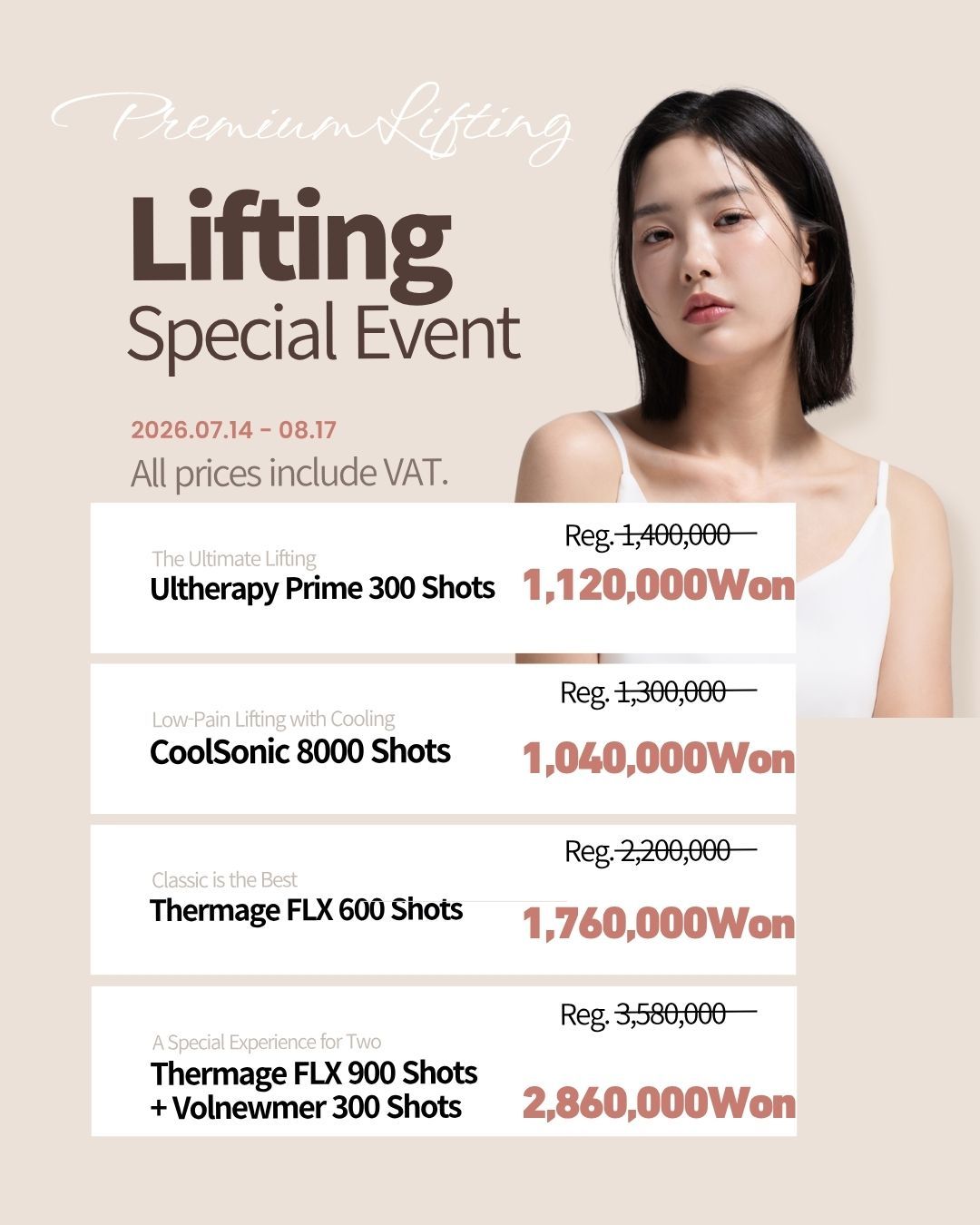
- Cost Differentials: Shurink is budget-friendly and widely accessible, whereas Ultherapy commands premium global pricing due to patented transducer technology and visualization hardware.
- The Ultimate Korean "Layering" Approach: Many medical travelers in Gangnam combine both—using a foundational, yearly Ultherapy pass for deep structural support, supplemented by regular Shurink maintenance sessions.
Final Thoughts
Choosing between Shurink and Ultherapy comes down to balancing your structural aging needs, budget, and travel schedule.If you want a budget-friendly, comfortable maintenance lift, Shurink is an excellent choice; if you require maximum, long-lasting structural tightening in a single trip, Ultherapy is the gold standard. Scheduling a professional consultation at an accredited clinic in Gangnam is the best way to evaluate your skin thickness and map out the ideal treatment.