Korean Laser Lifting Treatments Explained
Decoding Korean Laser Lifting Treatments Explained:
Technologies and Choices
Korea has earned its reputation as the global capital of aesthetic dermatology, drawing medical travelers from across the world. When planning a non-surgical aesthetic journey in Seoul, navigating the wide variety of available procedures can feel overwhelming. Understanding Korean Laser Lifting Treatments Explained helps clarify how different energy-based technologies work together to lift, tighten, and rejuvenate the skin without invasive surgery. Let's break down the core systems powering Seoul's skin clinics.
1. The Core Technology: Ultrasound vs. Radiofrequency
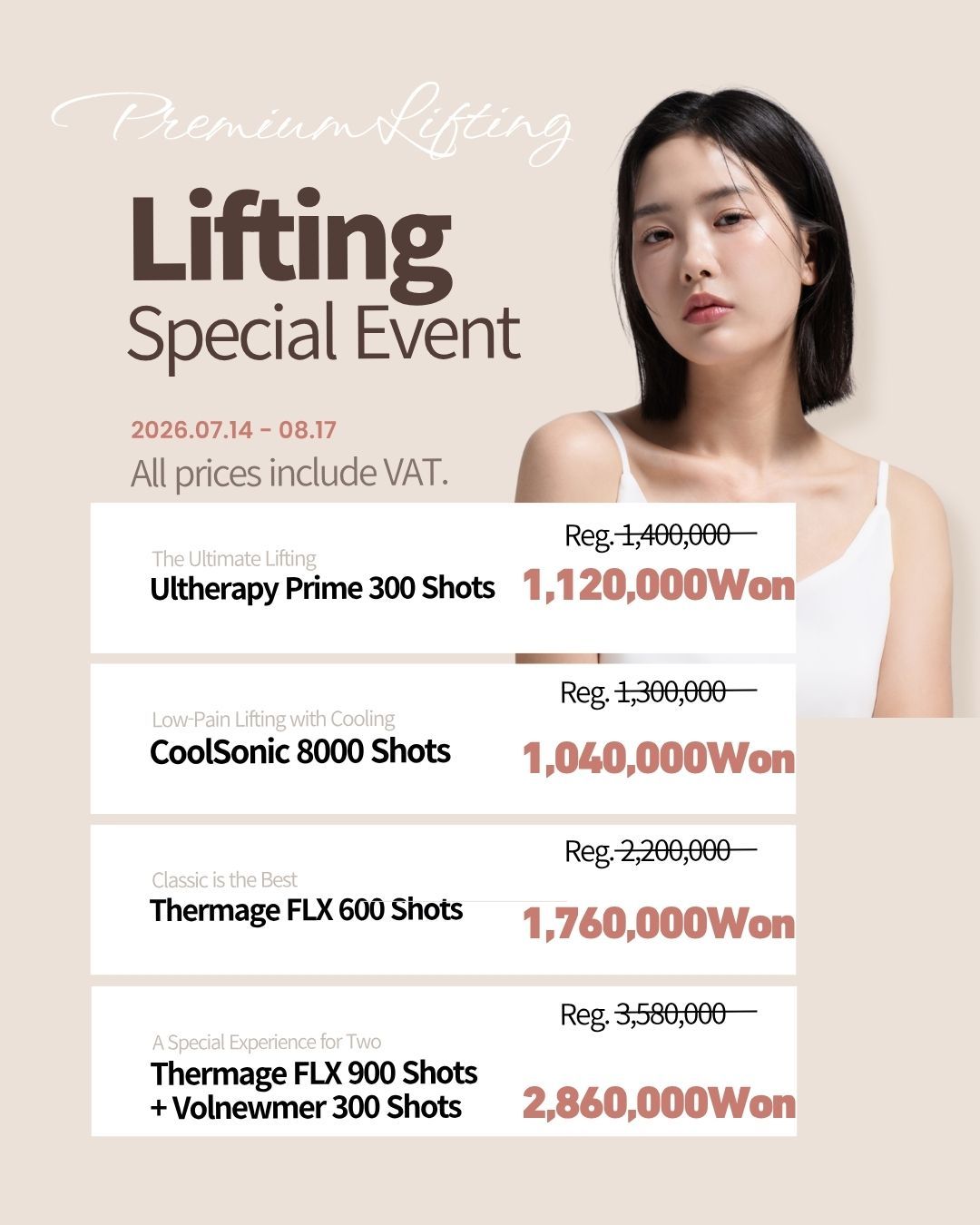
- Ultrasound (HIFU) Energy: High-Intensity Focused Ultrasound devices (such as Ultherapy or Shurink) target deep structural layers, including the SMAS layer, to lift sagging tissue.
- Radiofrequency (RF) Energy: Devices (such as Thermage or Oligio) deliver uniform volumetric heat into the dermal matrix, focusing primarily on skin tightening, density, and texture improvement.
- Complementary Roles: Rather than competing, these two energy sources are frequently categorized by Korean specialists into deep foundational lifting versus surface-level quality enhancement.
2. High-Intensity Focused Ultrasound (HIFU) Standards
- Global Gold Standards: Premium devices like Ultherapy utilize real-time ultrasound imaging to safely deliver precise thermal energy to deep facial support zones.
- Korean Innovation: Popular domestic options like Shurink Universe provide efficient V-line contouring and early sagging prevention with high accessibility and minimal discomfort.
- Targeted Results: These treatments are ideal for defining the jawline, reducing mild jowls, and achieving a structured, lifted appearance over several months.
3. Radiofrequency (RF) and Dermal Remodeling Systems
- Collagen Activation: RF technologies heat the entire dermis to stimulate dense collagen remodeling, effectively smoothing fine lines and crepey textures.
- Comfort-Focused Maintenance: Devices like Oligio offer comfortable, low-downtime alternatives tailored for regular preventive care and elasticity maintenance.
- Surface Refinement: Alongside firming loose skin, RF treatments help refine pores and restore a healthy, glowing complexion suitable for international travelers on tight schedules.
4. The Signature Korean Multi-Layered Approach
- Customized Combinations: Korean dermatology clinics rarely rely on a single machine, instead creating synergistic treatment plans that map different energies to different facial zones.
- Dual Action: A common protocol pairs an ultrasound device for deep structural tightening with an RF device to polish surface elasticity and tone.
- Regenerative Boosters: Clinics often integrate skin boosters right after energy delivery to supply essential amino acids and accelerate cellular recovery.
5. What International Patients Should Expect
- Zero to Minimal Downtime: Most energy-based procedures allow visitors to resume travel itineraries immediately, with only minor, temporary swelling.
- Gradual Maturation Window: Because these treatments trigger natural biological rebuilding, optimal visible improvements typically manifest between 2 to 3 months post-procedure.
- Professional Diagnosis: A thorough in-person consultation in Seoul ensures that your treatment selection matches your specific skin thickness, aging pattern, and travel timeline safely.
Final Thoughts
Navigating the diverse world of Korean lifting treatments becomes much simpler once you understand the distinct roles of ultrasound and radiofrequency technologies. By focusing on smart, multi-layered protocols designed to match your individual skin goals, you can secure natural and long-lasting results. Planning your visit around trusted professional guidance in Seoul ensures your aesthetic investment is safe, modern, and perfectly customized.